

The latest.
Topic
- 1031 Exchange 1
- 401k 1
- Accounting 1
- Accredited Investors 5
- Active Real Estate Investment 5
- Alpha 2
- Alternative Fixed Income 2
- Alternative Investements 13
- Alternative Investment 1
- Alternative Investment Fund 2
- Alternative Investments 50
- Altigo 1
- Alto IRA 2
- Artificial Intelligence 1
- Auditors 1
- Background Checks 1
- Banking Collapse 1
- Bankruptcy 1
- Bar 1
- Bitcoin 1
- Blue Vault 1
- Bonds 7
- Bridge Loan 11
- Broker‑Dealer Standards 1
- CAASA 1
- CAIA 5
- CMBS 1
- Canopy Phoenix 1
- Capital Gains 1
- Commercial Real Estate 25
- Concreit 1
- Correlation 3
- Counterparties 1
- Credit Crunch 1
- CrowdStreet 1
- Cryptocurrency 1
- Debt Cliff 1
- Debt Structure 1
- Digital Assets 1
- Diversification 2
- Due Diligence 27
- Due Diligence Checklist 1
- Edge 2
- Education 14
- Emerging Managers 1
- Equity 3
- Ethereum 1
- Family Office 2
- Fed 1
- Finance 1
Access Our Exclusive Investment Insights.

Private Debt Fund Fraud: What Happened in the Pacific Private Money Case
A $100M private debt fund collapse reveals why many private fund failures have little to do with real estate markets—and everything to do with operational and governance risk. This case study examines the structural blind spots investors often overlook until distributions stop.
YieldStreet’s Real Estate Collapse: Fintechs in Alternative Investments
What is it with Fintech platforms with the word Street in their name? First was PeerStreet, and now YieldStreet. CrowdStreet is another one facing challenges.
These failures are a bit different from each other but at the heart of the issue is poor operational management, and lack of proper risk management. In YieldStreet’s case there are also multiple cases of misrepresentation.
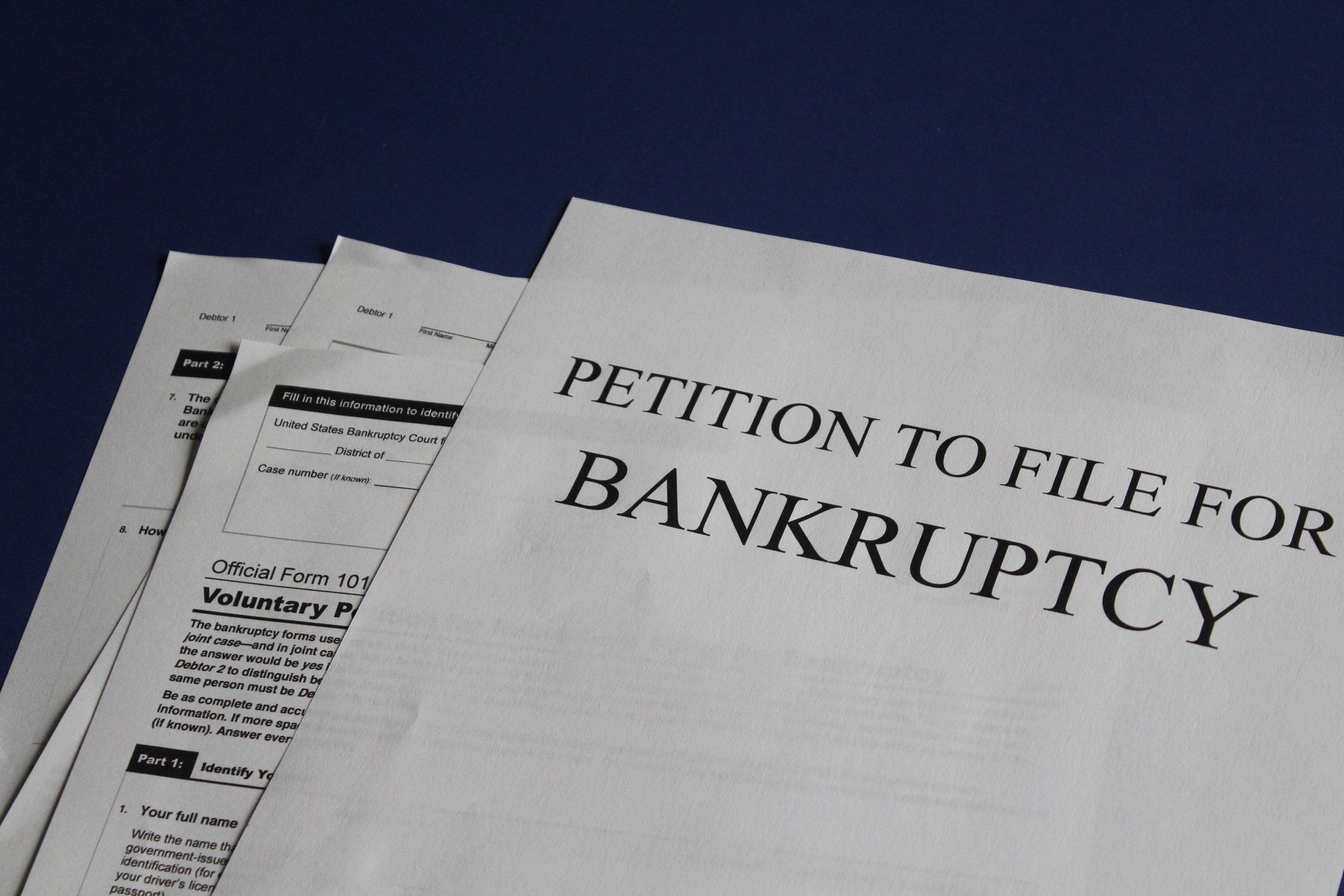
PeerStreet Lending Platform Failure
This has been a tough and unexpected market for many in private lending. When cheap capital dries up, operations that are not sound and are run by inexperienced management are sure to fail. Recently, PeerStreet, a Fintech platform offering private debt for real estate, filed for Chapter 11 Bankruptcy. They claimed to be the "first accessible distressed-debt investment platform," but their portfolio consisted of many other forms of loans. They acted as a broker, sourcing loans and matching them with lenders and investors on their platform, and maintained servicing in-house.