
June 2024 Newsletter
Kirkland Income Fund Update
Loan demand remains steady and non-performing loans are being resolved without new complications. As mentioned in previous newsletters, we anticipated some volatility in performance this year, which has indeed been evident in the first six months. However, the overall trajectory is positive, with the majority of the portfolio demonstrating strong performance. We are on track to resolve several more loans in the coming months and are excited to reinvest those funds in a market that currently presents favorable conditions for the fund.
Even though the real estate sector is still undergoing some challenges, there will undoubtedly be opportunities to be uncovered.
The commercial real estate market has been facing numerous challenges recently, including the pandemic, economic uncertainty, and record level rise in interest rates. While property values have shown some signs of softening, valuation remains a critical risk factor. Investors have significant capital waiting on the sidelines, with many parked in treasuries eagerly anticipating new opportunities. In a previous email, I mentioned that we are entering a new vintage period that presents promising prospects. It appears that this vintage is unfolding right before us, with traditional lenders stepping back and creating more opportunities in the private debt market. Any potential rate cuts by the Federal Reserve would likely work to our advantage on multiple fronts:
Because we engage in loan origination within an inefficient lending space, our loan interest rates will not adjust immediately with public rates, allowing us an extended period to capture a more substantial spread over the risk-free rate for our investors.
As the perception of uncertainty diminishes, more lenders are expected to re-enter the market, expanding the pool of potential exit lenders who may refinance our borrowers' bridge loans.
I have mentioned the opportunities in emerging managers operating in inefficient niches many times over the years. I always like when reputable shops support our investment premise. Below is a snippet from Pitch Book’s Emerging Manager report (sign up is required to access the report):
Part of the advantage for emerging GPs in the real estate sector is that many specialize in niche property types or secondary/tertiary geographies. With more on-the-ground knowledge of their focus area, the potential to find alpha is theoretically greater than a large, diversified fund could provide.
Pitchbook on Emerging Managers
Many of these ancillary emerging fund families are debt programs established by big buyout firms such as Blackstone, Carlyle, and KKR, as well as additional distressed and special situations debt strategies established by credit firms such as Oaktree and Ares. This suggests that although established managers have more expertise as a whole, they are not always the best at capturing alpha when it comes to setting up additional products.
The manager selection process is fraught with risk challenges. Entrusting a manager with capital is a long-term commitment, and getting the choice wrong is costly. Emerging managers can provide attractive upside or exposure to niche strategies that are tough to replicate in other parts of the portfolio, but choosing from the multitude of options is difficult on its own. On top of that, selecting a new manager often requires the initial choice to not re-up with an established GP that has an established relationship with the investment team. Without an abundance of capital to put to work in private markets in this higher-rate environment, it is no wonder many emerging managers have struggled to raise capital. While emerging managers may present higher risks, they can also offer unique opportunities and diversification benefits that established managers might not provide.
Data on the Loan industry: (Source: Geraci Law Group)

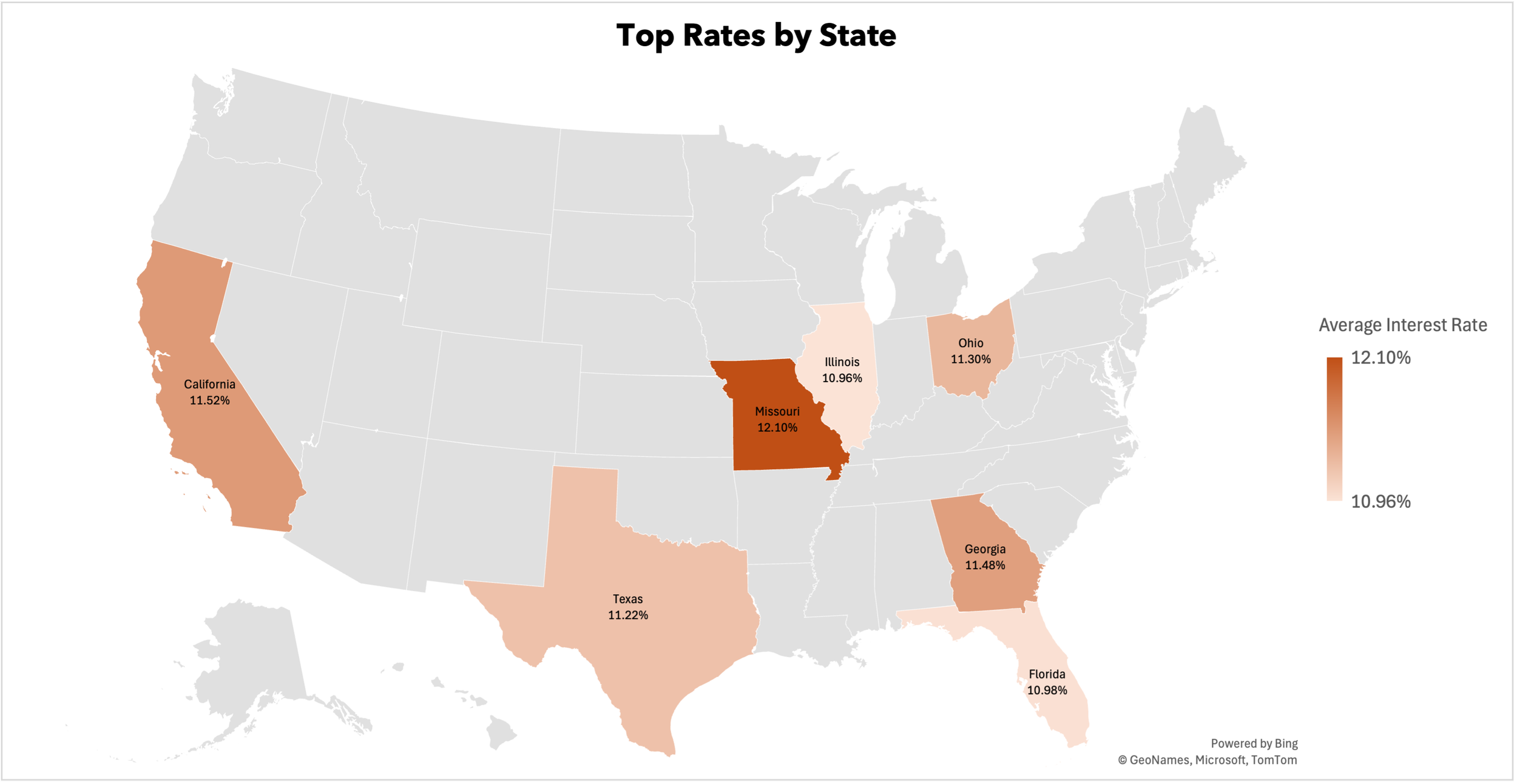
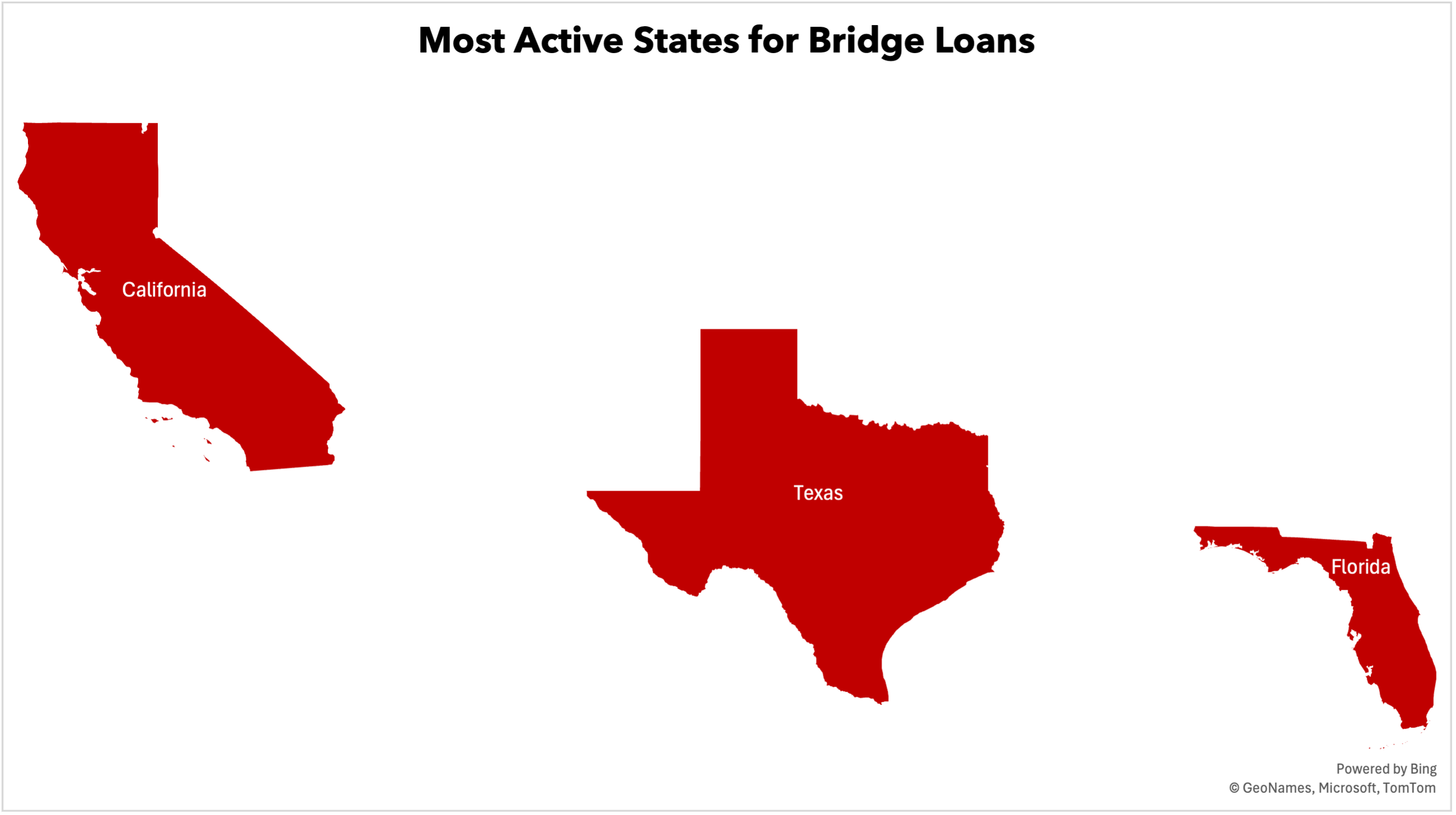
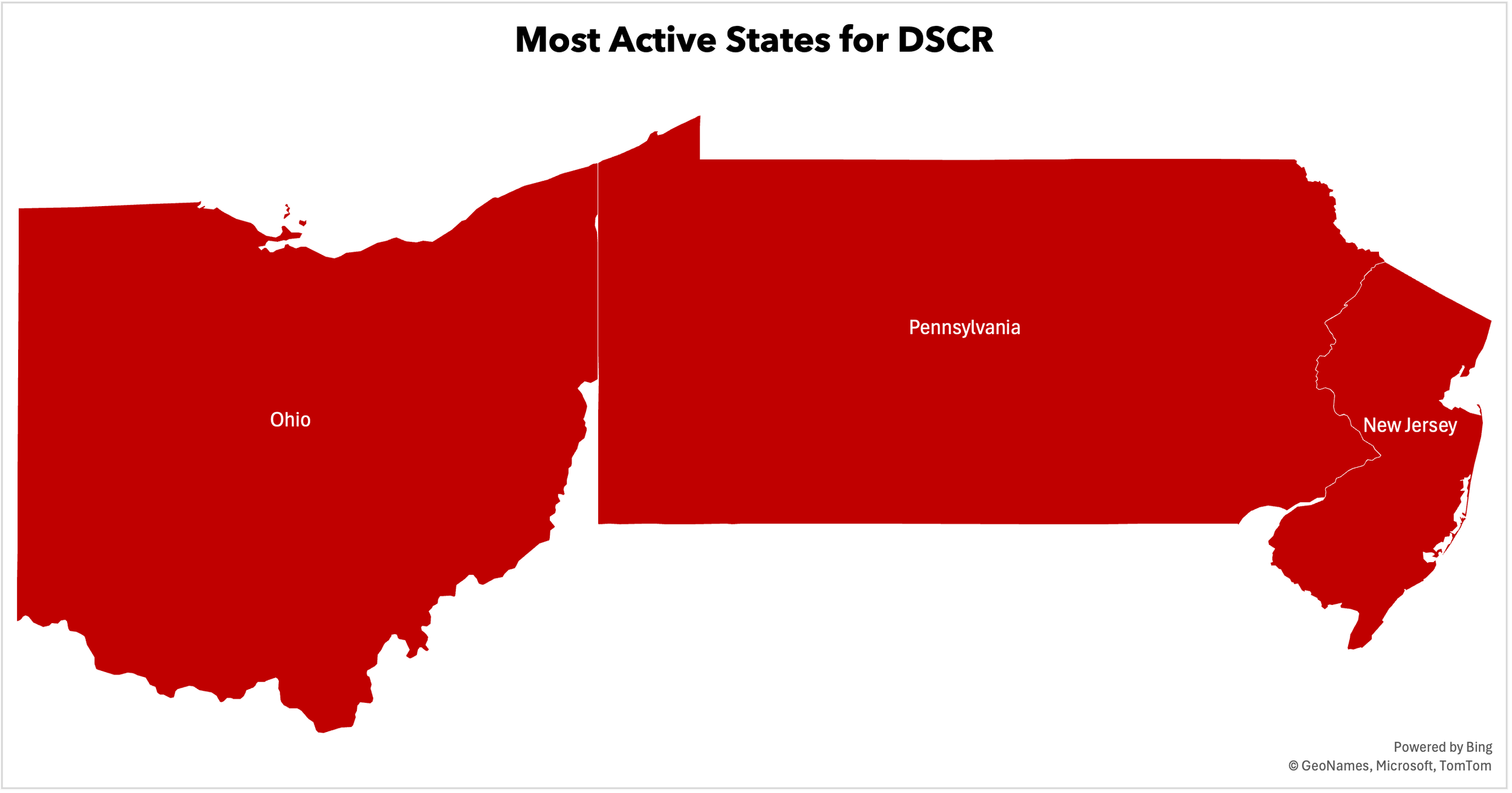
As we've previously discussed and as evident in current market headlines, there continues to be underperformance in commercial real estate (CRE) loans. An interesting observation supported by data from Boxwood Means and Bank of America is the impact of loan size. Bank of America's recent study on Commercial mortgage-backed security (CMBS) loan performance reinforces this finding. Notably, smaller CMBS loans under $5 million have demonstrated a significantly higher pay-off rate of 85% on scheduled maturities this year, compared to 62% for loans ranging from $50 to $99.9 million, and only 42% for those exceeding $100 million. This disparity aligns with recent trends observed in our own portfolio.
Usual Suspects: Looking Back at the First Half of This Year.
Inflation
Inflation has been on a gradual decline since reaching a peak of 9.1% in June 2022, based on the U.S. Consumer Price Index (CPI). Despite this downward trend, inflation has shown resilience, hovering between 3% to 4% and falling short of the Federal Reserve's target range of 2.0% to 2.5%.
But in June, we finally caught a glimpse of hope amidst the challenges. Unemployment saw a slight increase, rising to 4.1%, up by 0.1%. The June CPI showed a minimal decrease of -0.01%, while the June Core CPI only rose by 0.06% month over month, falling short of the expected 0.21%. The primary factor behind this was the decline in the cost of shelter, with shelter expenses increasing by 0.20%, compared to the projected range of 0.40% to 0.60%.
Interest Rates
Entering 2024, the markets had been expecting the Federal Reserve to implement multiple rate cuts, possibly up to six or seven, but now, halfway through the year, much of that anticipation has diminished. However, recent data for June suggests a higher likelihood of at least one rate cut in 2024.
There are still many factors that could keep inflation sticky and limit the number of interest rate moves. Here are a few:
Rising fuel costs.
Tighter supply conditions and logistics.
Lower inventories of goods created by the economic slowdown.
Supply constraints of housing creating rental rate increases. (Housing market is still expensive.)
Increased costs in medical care, insurance.
Labor's increased bargaining power.
Liquidity
It is estimated that around six trillion dollars of investment capital is currently sitting in dry dock, awaiting adjustments in valuations. The prevailing trend has been to wait, given that cash returns have outpaced inflation in recent times. It will be intriguing to observe the eventual deployment of this capital and its allocation across different asset classes.
Earnings
In the previous year, we witnessed a trend of narrowing breadth of earnings growth, resulting in the dominance of the "Magnificent 7" in the equity markets. However, in 2024, a new narrative is unfolding as we observe a more widespread growth pattern encompassing various sectors. As of the end of June, here is the return profile for the S&P 500.
33% is up >10%
24% is up >15%
16% is up >20%
8% is up >30%
Global
Geopolitical uncertainties are expected to persist, with ongoing conflicts in the Middle East and Eastern Europe. China's is in an economic slowdown and this is further impacting emerging markets, while the U.S. dollar remains strong without any signs of weakening on a relative basis.
This period calls for a concentrated effort on high-quality investments across both equity and fixed income. It presents a favorable chance to leverage private equity and private debt for gaining excess returns without extending too much risk.
Current operational issues with Investment Funds.
In our conversations with numerous investors this year, we've observed several concerning trends over the past few months. These include issues such as funds failing to honor redemptions (commonly known as "Gating"), delays in interest distributions, funds shutting down due to significant underperformance relative to their high-water mark, and unfortunately, instances of outright fraud where managers liquidate funds and make a run for it. Additionally, there are other operational tactics that funds may employ to present a rosier picture than reality that can heighten risks for investors. Turning our attention to private debt, let's delve into some of these “tactics” in more detail.
Internal borrowing between manager and fund. Please review your PPM, as this practice should not be allowed due to a significant conflict of interest. The scenario involves the manager establishing an entity that obtains a loan from the fund, secured by the non-performing note to be acquired. Subsequently, using the borrowed funds, the entity purchases a non-performing loan from the fund. As a result, the fund now holds a loan with the manager, while the non-performing loan is transferred off the fund's books and into the related entity. This adjustment makes it appear as though the fund has reduced or eliminated its non-performing loans, when in reality, the risk remains unchanged. The fund still bears the risk of the loan defaulting, as the loan with the new entity is backed by the non-performing loan.
Recognizing uncollected interest. Loan interest is recognized even when not collected, leading to the perception of substantial or steady returns during challenging market conditions. This practice is common and completely acceptable under accrual accounting standards. It is important to verify the fund manager's approach to recognition to avoid excessive recognition of interest that may lead to significant write-offs and increased fund volatility.
Use of leverage facilities to make interest payments. This is a standard procedure for numerous BDCs and certain REITs. It is advisable to verify whether a fund with a leverage facility is borrowing funds to cover interest payments. Although this practice may be permitted in the fund's PPM, it is essential to recognize how such actions can significantly elevate the investment's operational risk. It is crucial to consider the potential scenarios if the fund exhausts its borrowing capacity or if challenging market conditions persist for an extended period.
Modifications and Extensions. This is utilized by all debt funds, including our own. It's crucial to examine specific instances illustrating its application and to determine the parameters under which its use would be justified without significantly elevating the fund's risk profile.
Operational soundness remains paramount. We're not in the clear yet, and a vast amount liquidity has yet to return to the market. It's increasingly vital to work with fund operators who possess a wealth of experience and have established a fund framework that aligns with investors, guarantees transparency, and implements safeguards to protect investor capital from operational errors or fraudulent activities.
There are numerous funds being launched under the label "Credit Funds", but upon closer inspection of their documentation, it becomes evident that not all of them exclusively deal with debt, and even those that do, may not all focus on first lien debt.
Ensure you thoroughly investigate the attribution of returns (watch my webinar on 'Investment Performance Assessment Like a Pro') and grasp the composition of your "Credit" fund. In a recent study on private debt utilizing Pitchbook data, the analysis revealed that "Private Credit Funds" maintain an average equity exposure (Equity, Preferred Equity, warrants) of 59%. It may seem unexpected, but this data aligns with my observations that numerous "credit funds" are essentially hybrid Equity/Income funds rather than pure credit vehicles.
There is nothing inherently wrong with this allocation choice, and it could potentially yield positive results. However, it does introduce additional risk to the portfolio, which some investors may not be fully aware of. Also, when comparing returns across different funds, it is crucial to have a clear understanding of the fund's holdings and the strategies they employ to generate returns. Simply comparing raw return numbers can be misleading, as it may result in a comparison of disparate investment approaches.
When you have any questions about the newsletter or the Kirkland Income Fund, please do not hesitate to reply or book a call with me.
